Why We Eat This Way
Khada Peeta Lahe Da
A Punjabi saying about eating well carries the memory of invasion, uncertainty, abundance, and why food in Punjab often feels larger than life.
There are some Punjabi sayings that sound funny until you sit with them long enough.
"Khada peeta lahe da, baaki Ahmad Shahe da."
What you eat and drink is yours.
The rest belongs to Ahmad Shah.
Today, the line is usually said with laughter.
At weddings. Around overflowing tables. While someone insists you take another helping you already said no to twice.
But the saying came from somewhere heavier.
It is not only about appetite.
It is memory, compressed into humor.
In the 18th century, Punjab lived through repeated invasions and collapsing power structures. Lahore changed hands. Authority weakened. Armies moved through cities and villages like weather no one could stop.
Wealth could disappear overnight.
Grain could be taken. Animals could be taken. Jewelry could be taken. Homes could be abandoned. Storage meant very little when someone stronger could simply arrive.
Ahmad Shah Durrani - also known as Abdali - became one of the names attached to that fear.
His raids across Punjab and North India taught a difficult lesson: what could be stored could also be taken.
"What you eat and drink is yours. The rest belongs to Ahmad Shah."
So the saying stayed.
Not as surrender.
As adaptation.
If tomorrow was uncertain, then today had to matter more.
And maybe this helps explain something about Punjabi food culture even now.
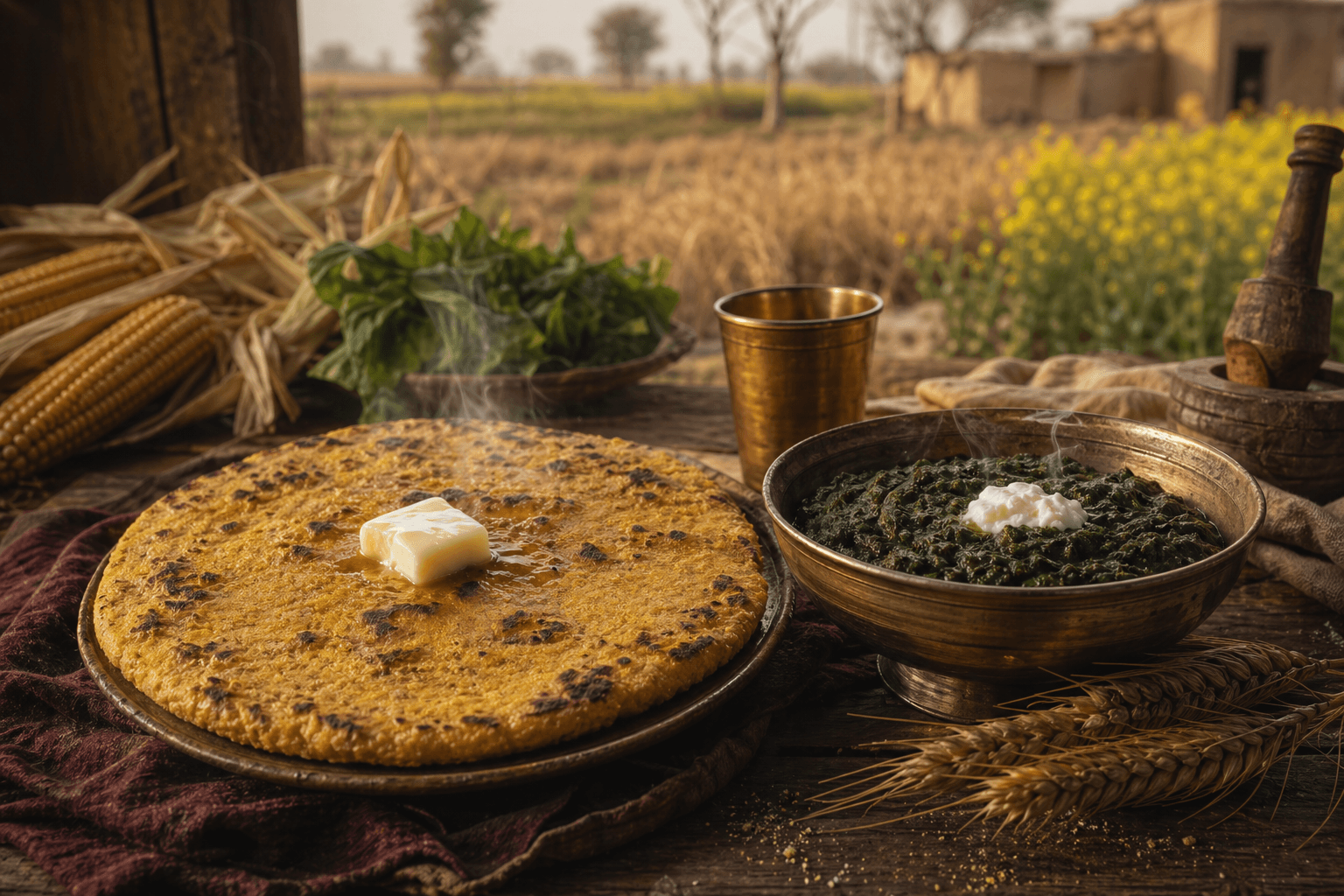
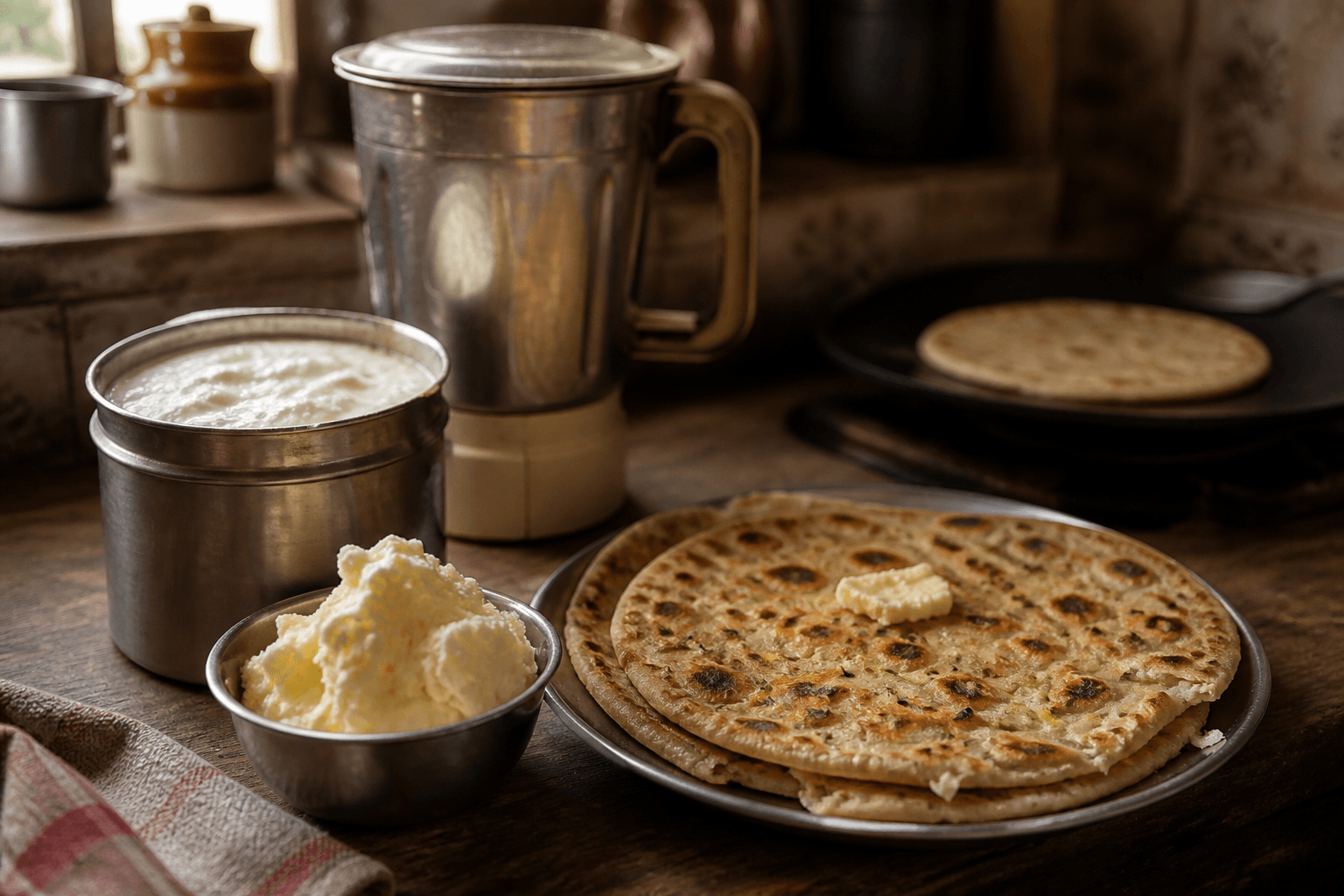
The extra spoon of butter.
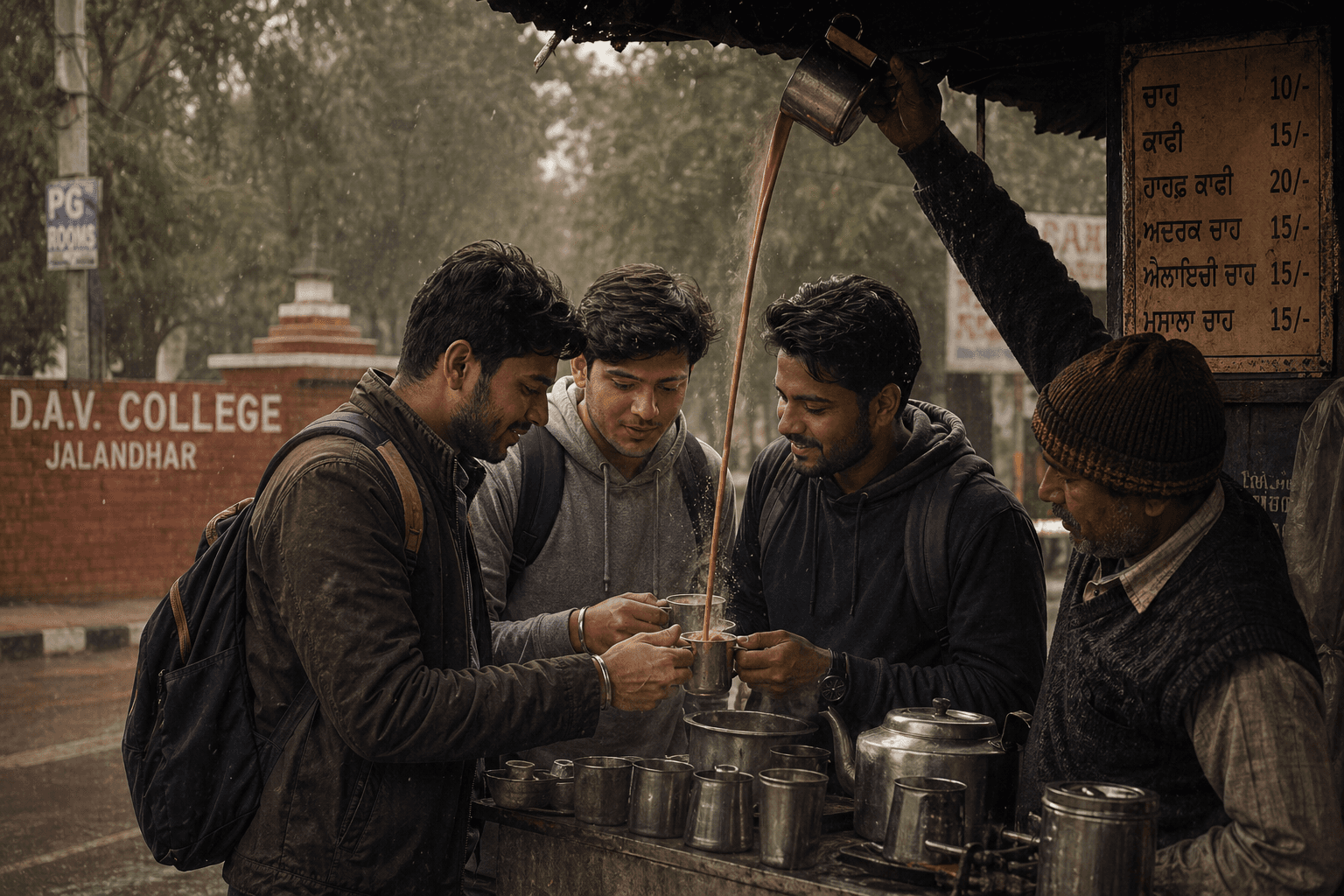
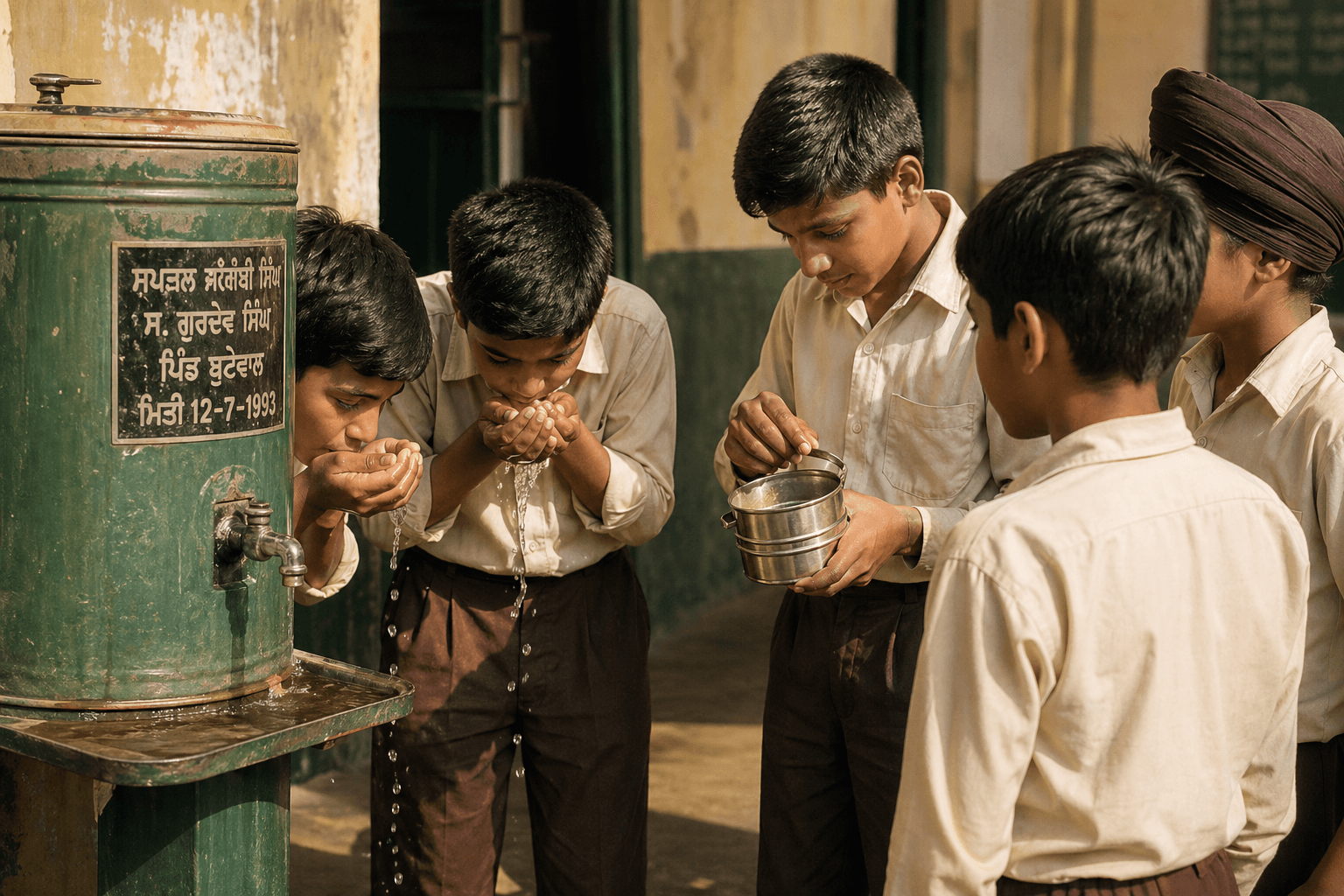
The glass filled before it is empty.
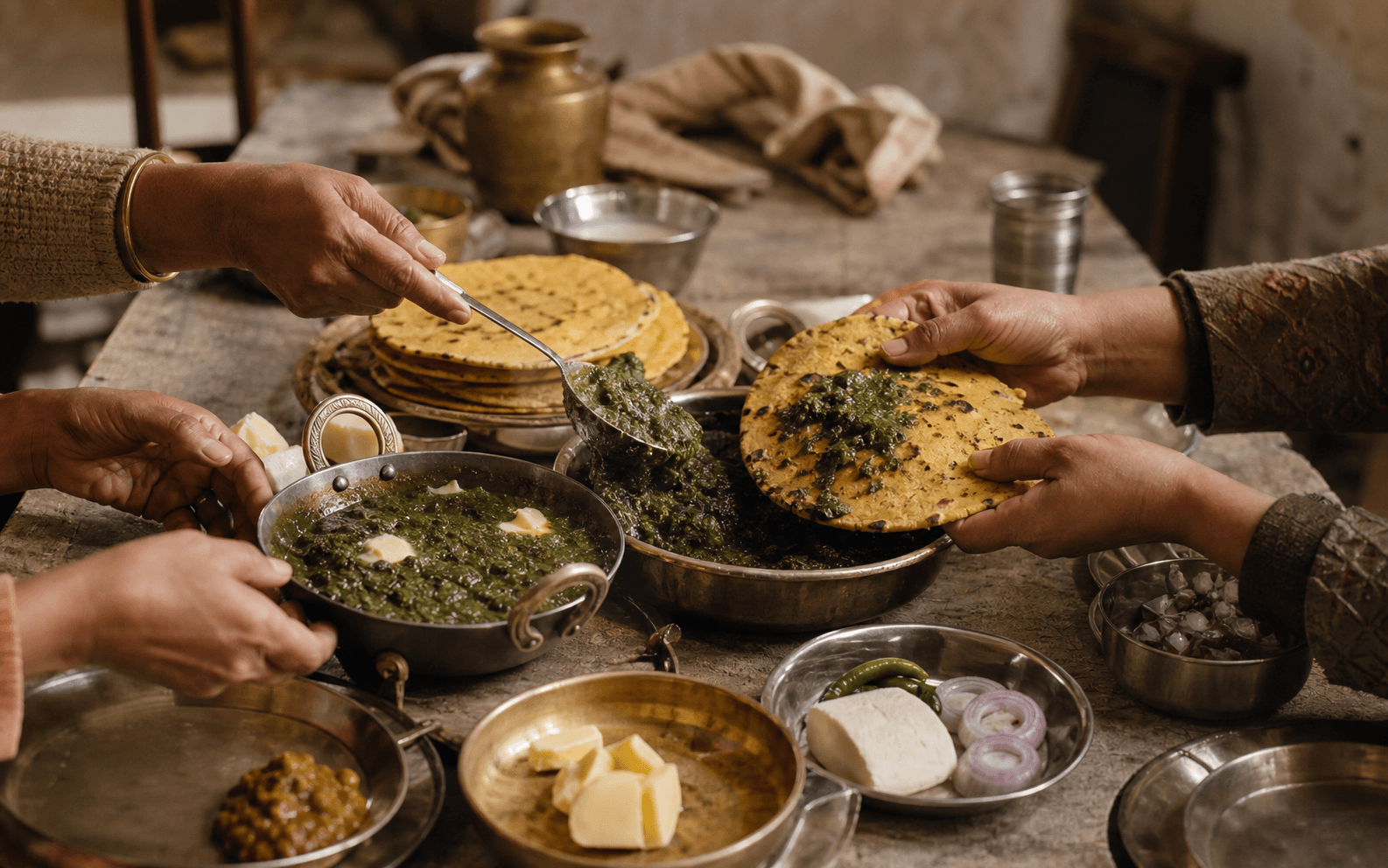
The insistence on feeding guests before asking questions.
The wedding meals built like declarations.
The idea that food should not merely fill you - it should reassure you.
This does not mean the future never mattered.
It did.
Land mattered. Gold mattered. The next generation mattered. Punjab has always known how to plan, migrate, build, rebuild, and begin again.
But alongside that was another instinct.
When joy is available, make it visible.
Put it on the table.
Serve it hot.
Make sure no one leaves hungry.
In many cultures, richness is luxury.
In Punjab, richness often feels emotional.
A full table means safety.
A guest leaving hungry feels almost immoral.
Even everyday language reflects it. People don't just ask whether you ate. They ask whether you ate properly.
Khada peeta.
Not survival.
Abundance.
Over time, the original history faded.
But the instinct remained.
Enjoy what can actually be enjoyed.
Feed people while they are in front of you.
The saying is still used - usually at a wedding, usually when someone is telling you to eat more.
Because stored wealth, political certainty, and stable futures have all disappeared before.
And perhaps that's why Punjabi culture often feels larger than life from the outside.
The music louder.
The weddings bigger.
The food richer.
Not excess.
History made visible.
Joy made real in the present tense.
Historical note:
The saying "Khada peeta lahe da, baaki Ahmad Shahe da" is commonly associated with the period of Ahmad Shah Durrani's repeated invasions of Punjab and North India in the 18th century.
Historical note
The saying is commonly associated with the period of Ahmad Shah Durrani's repeated invasions of Punjab and North India in the 18th century, when stored wealth and grain could disappear quickly.
Historical note: The saying is commonly associated with Ahmad Shah Durrani's repeated invasions of Punjab and North India in the 18th century.